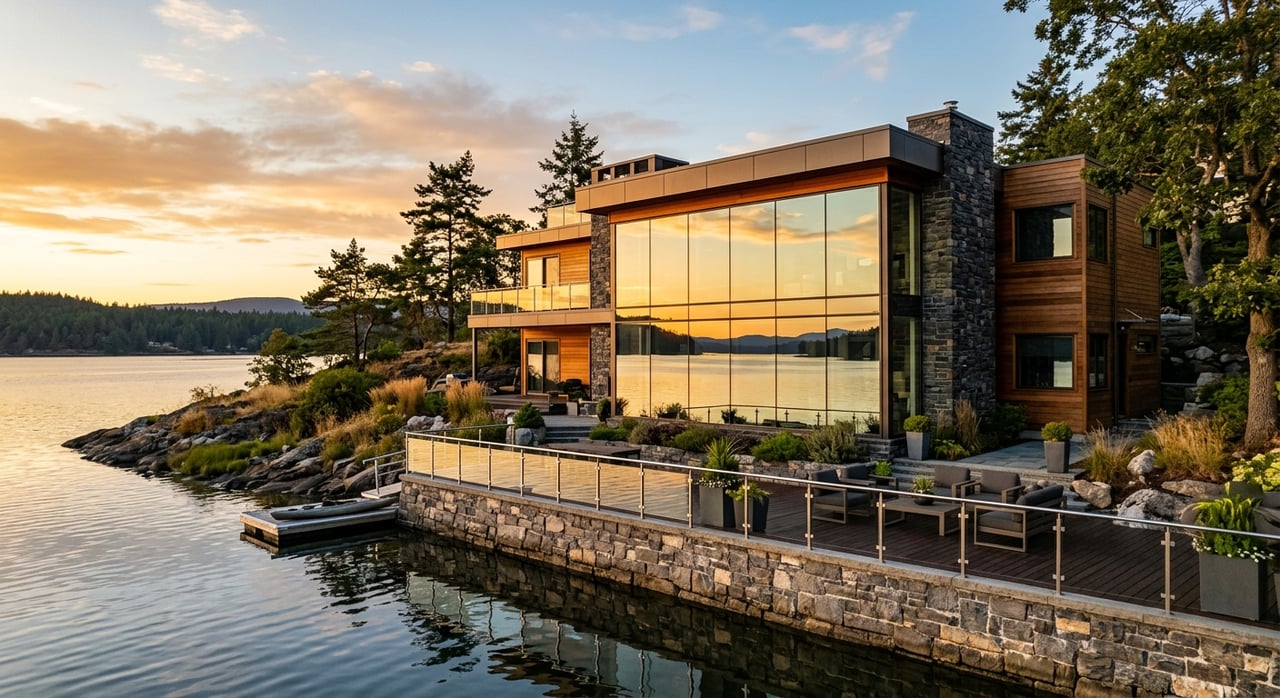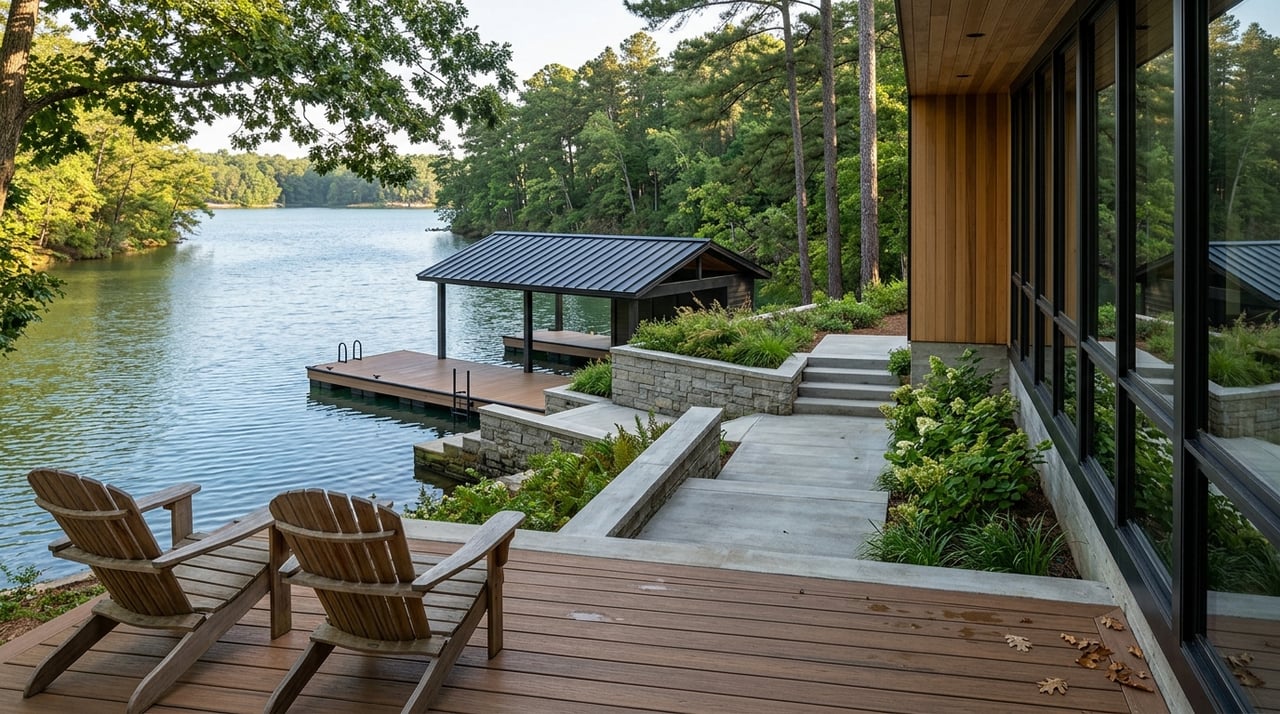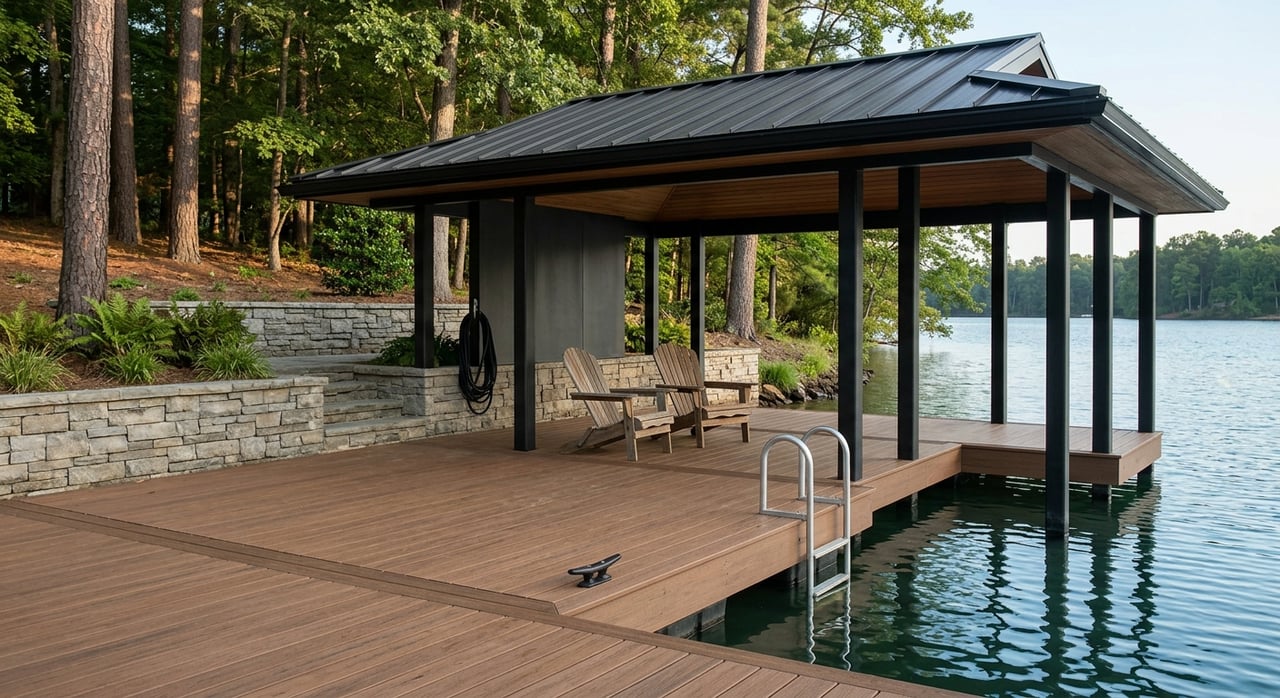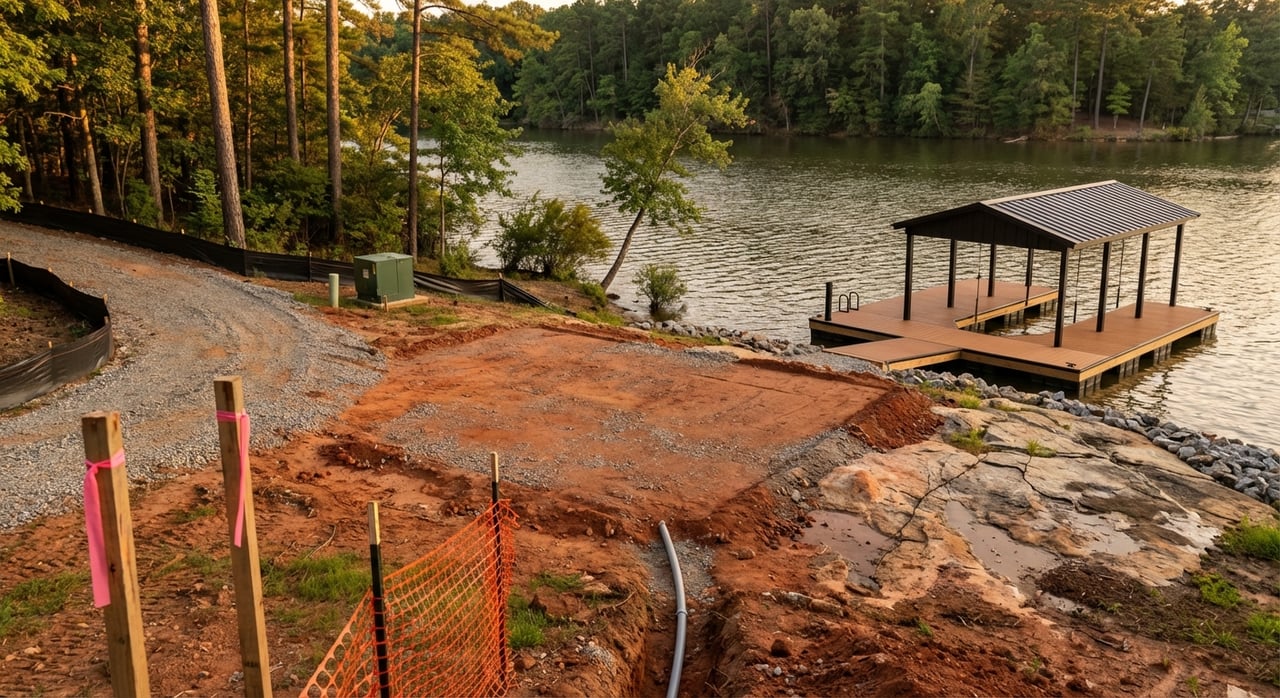
Thinking about building your custom lake home in Crane Hill but not sure where to start? Lake lots can look simple at first glance, yet the shoreline rules, septic approvals, and access details can make or break your plan. With the right steps, you can protect your budget, your timeline, and your peace of mind. In this guide, you’ll learn the key approvals, how Alabama Power’s shoreline rules work on Smith Lake, and a practical plan to move from lot shopping to breaking ground. Let’s dive in.
Start with shoreline rules
Smith Lake’s shoreline is managed by Alabama Power under its Shoreline Management guidelines. Alabama Power owns the pool and holds a flood easement that reaches above summer pool. Smith Lake’s full pool is about 510 feet MSL, and the flood easement can extend to about 522 feet MSL. Any work within that boundary usually needs a written Alabama Power permit, not just a verbal OK.
If you want a dock or boathouse, eligibility comes first. Lots with less than 100 feet of shoreline may face restrictions. Alabama Power also sets size caps. Total dock and boathouse footprint is commonly limited to 1,444 square feet with length limits around 92 feet. Setbacks from your property lines, extended into the lake, are typically at least 15 feet. Dredging, riprap, seawalls, anchors, and ramps also require approval and can trigger federal or state review. A pre-application call or site visit with Alabama Power early in your process is smart.
Confirm title and recorded instruments
Ask the seller for the current deed, a recent survey or plat, and any recorded Alabama Power shoreline license or permit numbers. If a dock exists, request copies of the Alabama Power permit and any recorded instrument so you can check transfer rules. Verify documents through Cullman County Probate and the county GIS viewer for parcel and easement details. Clear title and clean shoreline records set the foundation for a smooth build.
Septic and water planning
Many Crane Hill lake lots rely on on-site sewage and private wells. In Cullman County, on-site sewage permitting runs through the county’s environmental office under ADPH rules. Expect a soil evaluation to place the drainfield. Some lots will require engineered systems like pressure distribution or mound designs. Ask the seller for any septic permit to install, approval for use, and maintenance records. Budget for testing and design upfront so your build footprint and outdoor areas fit around the system.
Topography, soils, and geotech
A boundary survey paired with a topographic survey helps you plan the driveway route, foundation type, and septic field. Use the USDA NRCS Web Soil Survey as a starting point to understand soil series and slope. On steep or shallow-soil sites, a geotechnical engineer can run borings and provide foundation and site recommendations. This step helps you avoid surprises with rock cuts, retaining walls, or overbuilt foundations.
Floodplain and insurance checks
Pull the FEMA flood map panel for your parcel. If the build area touches a mapped flood zone, plan to meet elevation requirements and confirm lender and insurance implications. Cullman County’s Road Department and floodplain office can provide local development permit guidance and help you understand any prior elevation certificates. The earlier you confirm your floodplain status, the cleaner your design and lending path will be.
Access, roads, and utilities
Confirm you have year-round legal access by public road frontage or a recorded easement. If the road is private, review any maintenance agreements. Cullman County’s Road Department handles driveway and culvert permits, so check standards before you design your entrance. Electricity in this area is typically provided by Alabama Power. Rural water may not be available, so consider a private well and confirm utility extension feasibility before you commit.
Who approves what
- Alabama Power Shoreline Management: Primary control over docks, boathouses, dredging, ramps, and bank work within Alabama Power fee lands and the flood easement. Written permits are required for many shoreline activities.
- U.S. Army Corps of Engineers: Federal review applies if your work places fill or involves dredging in Waters of the United States. Many routine activities on Alabama Power reservoirs run under programmatic permits. Larger impacts can require individual permits.
- ADEM: Reviews certain federally permitted activities for state water quality certification. Expect ADEM involvement when USACE review is likely.
- Cullman County: Road Department for driveway and floodplain guidance. County Health/ADPH for on-site sewage permits and well testing. Probate/Recorder for deeds and recorded instruments.
Build the right team
At a minimum, plan to hire:
- Licensed land surveyor for boundary and topo. Ask for a stamped survey that shows property corners and the waterfront line where applicable.
- Civil or geotechnical engineer for steep slopes, shallow soils, or engineered septic needs.
- Licensed home builder with Smith Lake experience. Confirm licensure and ask for recent lake project references.
- Licensed septic designer/installer and certified well driller if needed.
- Marine contractor or dock builder familiar with Alabama Power permits on Smith Lake.
- Title company and a real estate attorney to review deeds, shoreline instruments, and easements.
Financing essentials for lake builds
Vacant land often requires larger down payments and shorter terms than a traditional mortgage. Many buyers use a construction-to-permanent loan to streamline closing. Lenders will look for a buildable site, a licensed builder with a fixed-price contract, a survey, and a realistic schedule. Expect scrutiny on access, flood status, septic feasibility, shoreline permits, and comparable values.
Typical ranges vary, but raw land loans often call for 20 to 40 percent down. Construction loans usually require detailed budgets, contractor credentials, and draw inspections. Local banks and credit unions that work Smith Lake projects regularly can simplify approval and appraisals.
Step-by-step plan for Crane Hill lots
Follow this order to protect your timeline and budget:
- Gather seller documents: deed, recent survey or plat, any Alabama Power shoreline permit or license records, septic permits and maintenance logs, HOA or subdivision rules if any, and any elevation certificates.
- Confirm county details with Cullman County Probate and the GIS viewer. Verify access and recorded instruments.
- Call Alabama Power Shoreline Management about the parcel. Ask about dock or boathouse eligibility and what is needed for any permit transfer. Keep written notes for your contract contingency.
- Order a boundary and topo survey. Check soils using NRCS tools. Add geotechnical borings if the site is steep or rocky.
- Contact Cullman County Health/ADPH for septic records and schedule a site evaluation for your permit.
- Check FEMA flood maps and ask the county about prior elevation certificates or permits.
- Get early input from a lake-experienced builder or architect on driveway layout, foundation type, and a concept site plan.
- If your plans touch the lakebed or bank, plan on Alabama Power approval and possibly USACE/ADEM review. Build that time into your schedule.
- Line up your loan program and confirm lender requirements based on your site conditions and permits.
- Use written permit contingencies in your contract for shoreline approvals, septic approval, and overall buildability.
Timeline and budget surprises
- Alabama Power shoreline review can take weeks to a few months depending on complexity. Simple docks are faster. Dredging or boathouses with bank work take longer.
- Federal and state reviews, when needed, can add several months. Build that into your plan before you pick a move-in date.
- County permits for driveway, septic, and inspections often need several weeks once your plans are ready. Engineered septic design can add time.
Budget items that catch many buyers include engineered septic systems, riprap or seawalls, long driveway culverts and roadwork, elevation work for homes near flood zones, and dock construction and related permit fees.
When to renegotiate or walk away
Consider a price adjustment or exit if:
- There is no recorded Alabama Power permit for an existing dock, or the seller cannot provide license documentation.
- The lot lies in a high-risk flood zone and elevation costs would be significant.
- Soils and slopes show a septic system is infeasible without a very costly engineered design.
- There is no legal year-round access, or the easement is unrecorded or unclear.
- There are unresolved enforcement actions tied to shoreline structures.
Ready to build with confidence?
With clear shoreline rules, a verified septic path, and the right team, your Crane Hill build can move forward smoothly. If you want help finding the right lot, reading shoreline records, or connecting with proven Smith Lake builders and dock pros, reach out to the local team that knows these waters best. Connect with Chris & Dena Harris for hands-on guidance tailored to your goals.
FAQs
Do I need Alabama Power approval for a dock on Smith Lake?
- If the structure is on Alabama Power fee lands or within the flood easement, you need a written Alabama Power permit before building.
Can a dock license transfer when I buy the lot?
- Many shoreline permissions can transfer, but you should obtain the permit or license documents and confirm transfer steps and fees with Alabama Power. Use a contract contingency.
How do I know if a septic system will work on my lot?
- Cullman County Health/ADPH must evaluate soils and issue permits. Some lots need engineered systems, so schedule testing early and budget accordingly.
Who reviews dredging, riprap, or bank work on Crane Hill lots?
- Alabama Power reviews shoreline work first. If the activity involves fill or dredging in Waters of the United States, USACE and ADEM may also be involved.
What will my lender check for a lake build in Crane Hill?
- Lenders look for legal access, flood status, septic feasibility and permits, shoreline approvals, a licensed builder with a fixed-price contract, and realistic comps to finished value.