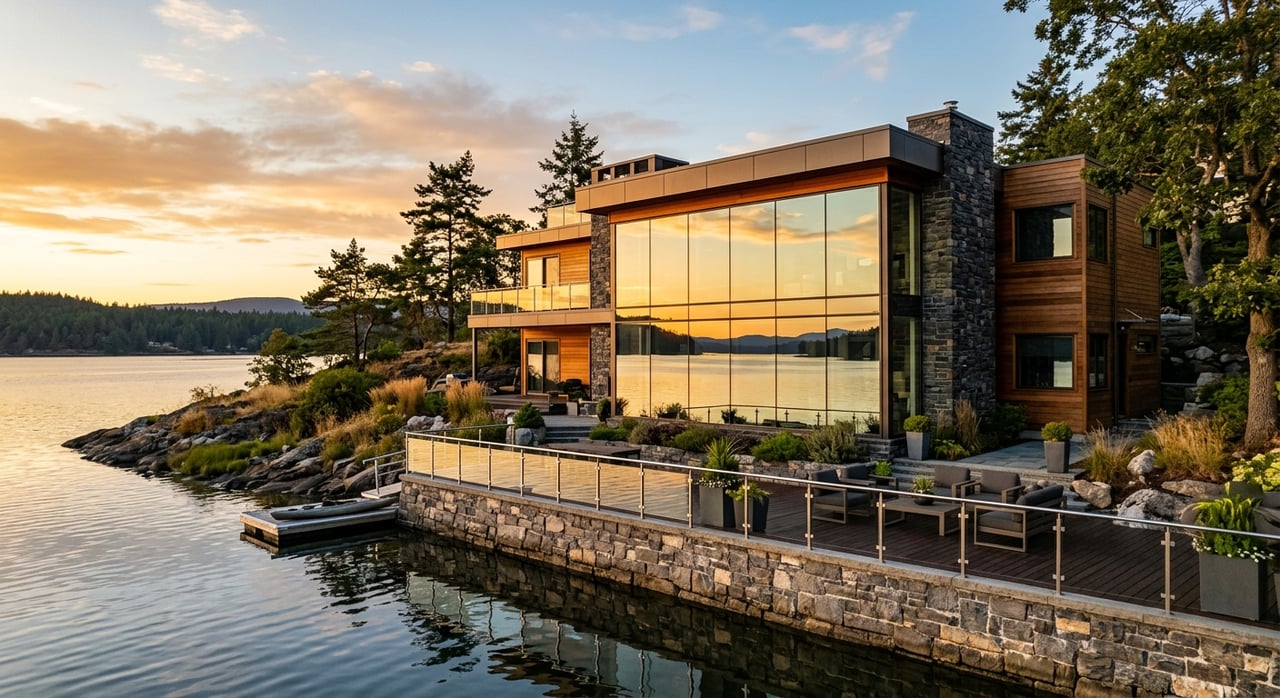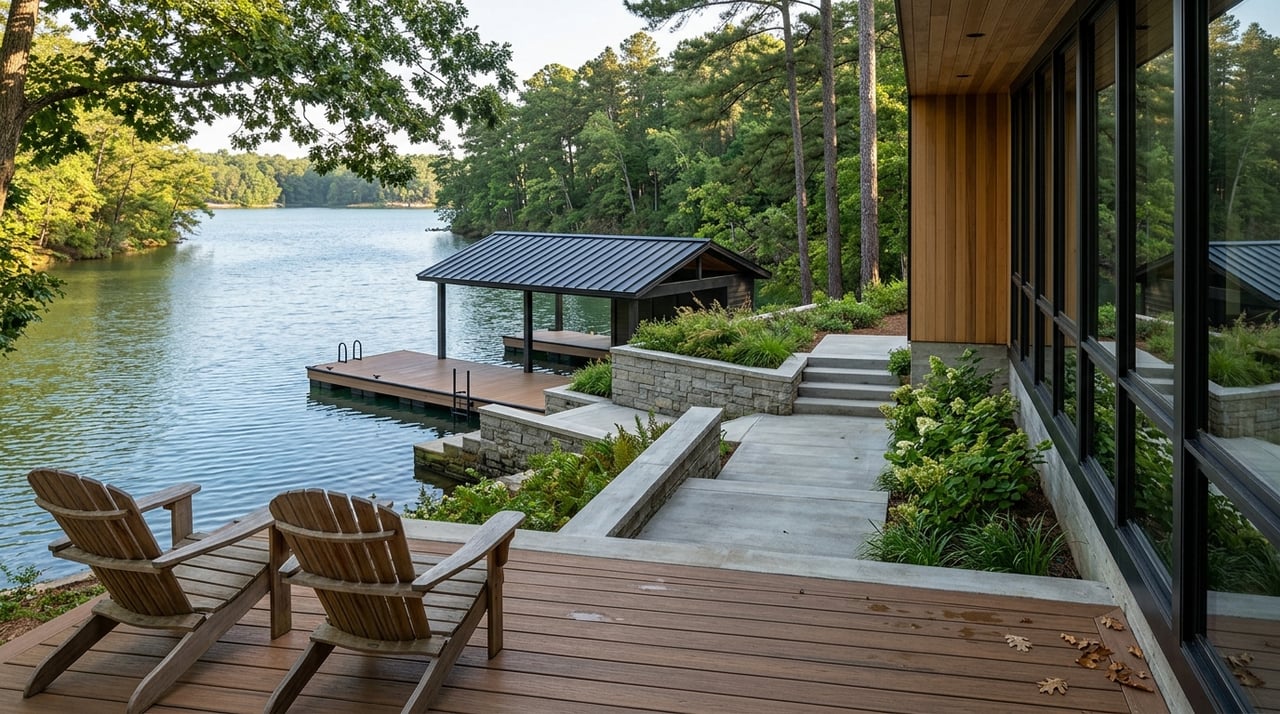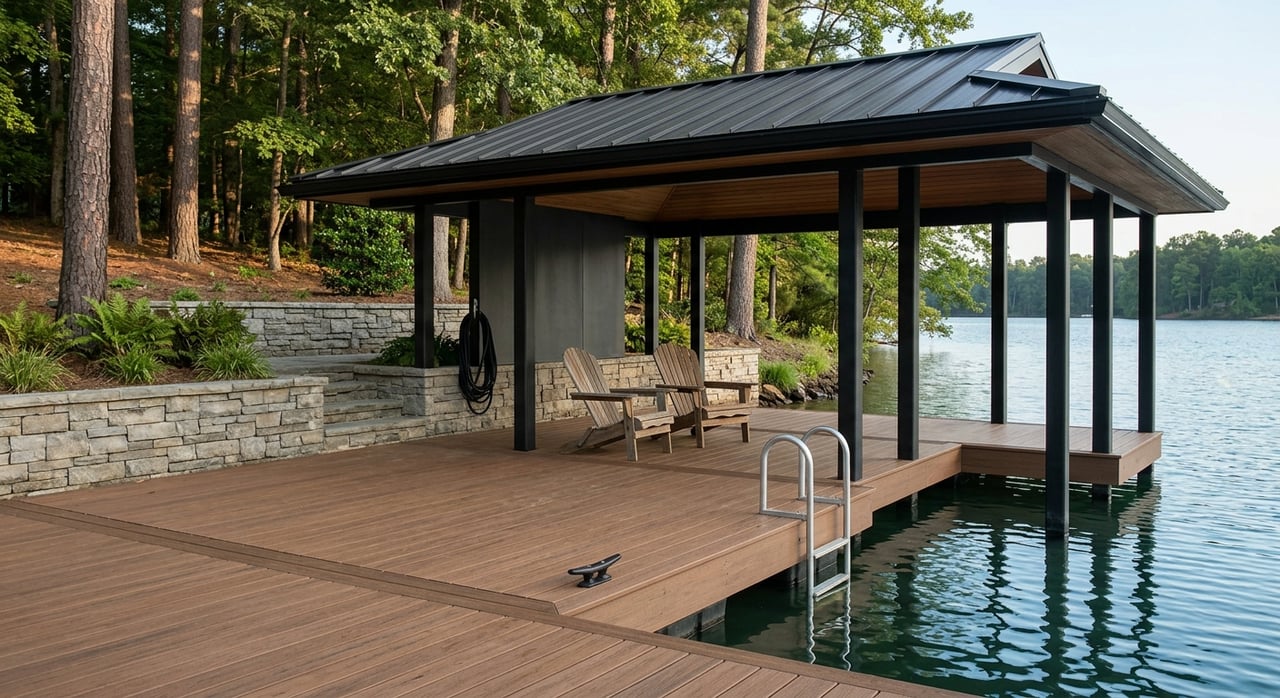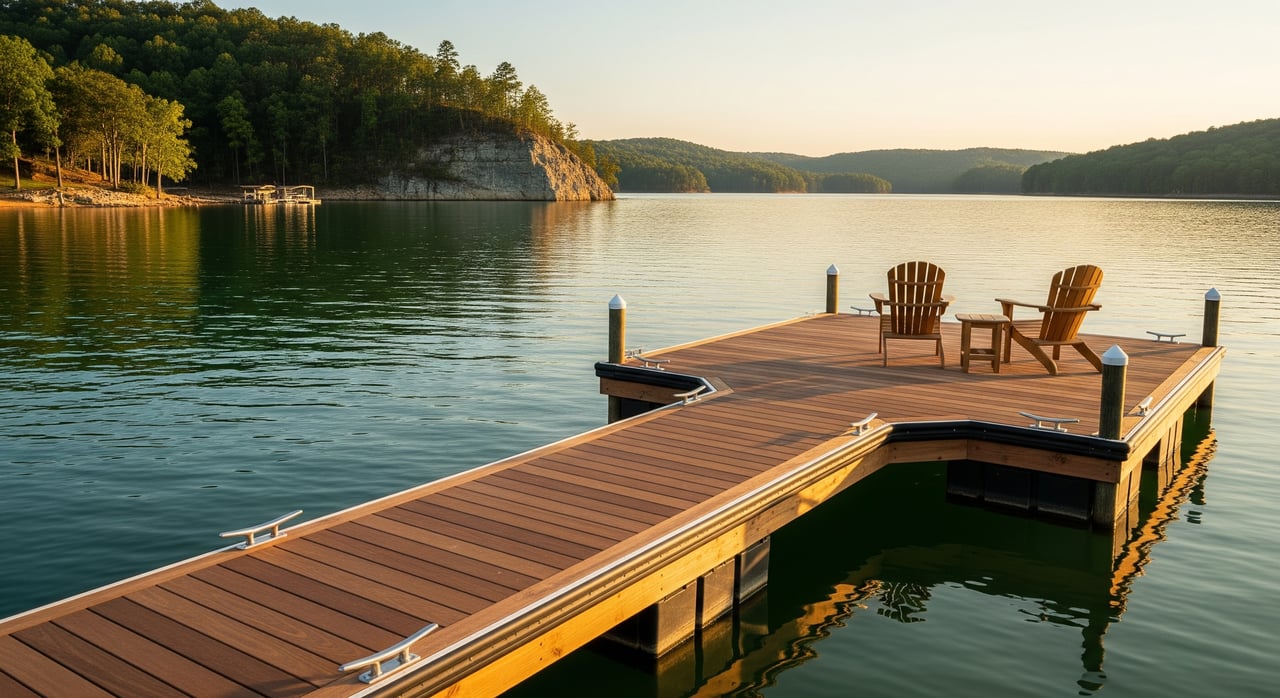
Thinking about a lake home in Crane Hill so you can step out to your own dock on Smith Lake? Before you picture the boat tied up and sunset views, make sure you understand how dock permits work here. The process is manageable if you plan ahead, but there are rules, documents, and timelines that can affect your purchase and your renovation plans. In this guide, you’ll learn who governs docks on Smith (Lewis Smith) Lake, what Alabama Power typically requires, when state or federal permits come into play, what to verify during due diligence, and how to set a realistic timeline. Let’s dive in.
Who governs Smith Lake docks
Alabama Power is the primary authority
Alabama Power oversees shoreline structures on Smith Lake. For most new docks, replacements, boathouses, seawalls, riprap, dredging, or grading, you will need Alabama Power’s written approval or a shoreline license. They review proposals for safety, navigation, shoreline stability, and consistency with their standards for the reservoir.
When federal and state agencies get involved
The U.S. Army Corps of Engineers can have jurisdiction for certain in‑water work like dredging, placing fill, or structures that affect navigation or wetlands. If a federal permit is needed, Alabama Department of Environmental Management may also need to review the project for state water quality certification. Smaller repairs or in‑kind replacements might qualify for streamlined treatment, but that depends on scope and site conditions.
County and local layers still matter
Cullman County offices hold property records and may require land‑disturbance approvals on shore. Subdivisions and HOAs sometimes add their own dock rules. Alabama Power’s permit is typically the controlling approval for on‑water structures, yet you should still confirm deed details, recorded licenses, covenants, and access issues at the county level.
Alabama Power process and requirements
Start with a pre‑application conversation
Begin by contacting Alabama Power’s Shoreline Management team for Smith Lake. Share your concept and location to learn site‑specific constraints and current application requirements. This step helps you avoid designs that will not pass review and gives you a clear document checklist.
What a complete application usually includes
Collecting documents during due diligence speeds you up later. Alabama Power commonly asks for:
- Completed shoreline permit application
- Property deed and legal description to verify riparian rights
- Certified survey or plat showing boundaries, shoreline, and the proposed dock footprint with setback distances
- Detailed site plan and construction drawings with dimensions, materials, and anchoring method
- Photos of the shoreline and proposed location from multiple angles
- Contractor information and proof of licensing/insurance for work on the water, if required
- Adjacent owner consent if any encroachment or impact is possible
- Prior shoreline permits, as‑built drawings, or recorded license documents if an existing dock is present
Common design and location restrictions
Alabama Power enforces standards to protect navigation and shoreline stability. Expect limits on total footprint, length, width, and number of slips. Placement must avoid conflicts with adjacent licensed structures and navigation channels. Materials and anchoring methods need to be non‑obtrusive and appropriate for the lake. Bank work like dredging, grading, riprap, or retaining walls often faces extra scrutiny and may trigger state or federal permits. Boathouses or enclosed structures can be restricted in certain areas, so verify what is allowed for your specific site on Smith Lake.
License terms and transferability
Many shoreline licenses are revocable and include maintenance obligations. Some approvals are recorded and transferable to a new owner, while others are more personal or conditional. During due diligence, verify whether any existing Alabama Power license or approval is current and transferable, whether it has conditions still to be met, and whether it appears in county records.
When state or federal permits apply
Projects that trigger additional permits
If you plan dredging, channel modification, placement of fill, a seawall or extensive riprap, or any work that affects wetlands or navigation, the U.S. Army Corps of Engineers may require a permit. When federal permits are triggered, ADEM typically reviews for water quality certification. Simple like‑for‑like repairs might move faster, but scopes vary and site conditions matter.
What it means for time and cost
Federal and state reviews can add weeks to months to your schedule and may require extra surveys, environmental review, or mitigation. If a seller’s older dock does not meet current standards, your planned changes could require more approvals than you expected. Build this into your budget and timeline before you write your offer terms.
Smart due diligence for Crane Hill buyers
Documents to request from the seller
Ask for originals or certified copies where possible. Focus on:
- Alabama Power shoreline permit or license, including conditions
- As‑built drawings and prior approval letters or inspection reports
- Any recorded instrument numbers for shoreline licenses in Cullman County records
- Recent boundary survey showing the property line at the water and any easements
- HOA or subdivision covenants that mention docks or shoreline work
- Photos, contractor invoices, and maintenance records for the existing dock
- Notices of violations or noncompliance, if any
Technical checks during your contingency period
- Compare the existing dock to the approved footprint. If it does not match, it may be nonconforming and could require correction.
- Confirm that any Alabama Power license is current, recorded if applicable, and transferable. If not recorded, ask Alabama Power how transfer is handled.
- Verify the property’s legal description and riparian rights. Utilities often retain shoreline title on reservoirs and issue licenses rather than deeds over the water.
- Schedule a site visit with a contractor experienced on Smith Lake projects or request a pre‑application site review with Alabama Power.
- Check for any outstanding violations or enforcement actions with Alabama Power and county offices.
Who to contact and in what order
- Seller and listing agent to gather permit, license, and as‑built documents.
- Alabama Power Shoreline Management to confirm permit history, current standards, and site constraints.
- Cullman County Recorder, Assessor, or Probate for recorded shoreline instruments and parcel verification.
- A Smith Lake contractor with Alabama Power project experience for practical design and build advice.
- If you plan dredging or major bank work, contact the U.S. Army Corps of Engineers and ADEM early.
Timeline expectations for permits and construction
Setting expectations early keeps your purchase and project on track.
- Seller document collection and initial review: immediate to 1 to 2 weeks.
- Pre‑application discussion with Alabama Power: 1 to 2 weeks to schedule and complete.
- Alabama Power review and approval: often a few weeks to a couple of months, with a typical range of about 2 to 8 weeks for straightforward docks. Complex designs can take longer.
- Federal and state permits if triggered: several weeks to many months. These reviews can add 60 to 180 or more days depending on complexity and whether environmental studies or mitigation are required.
- Construction and final inspection: days to weeks for a simple dock, longer for boathouses, seawalls, or dredging. Contractor availability affects start dates.
Common pitfalls and how to avoid them
- Missing or nontransferable Alabama Power license. Solution: make permit transfer or cure a contract contingency.
- Existing dock built outside its approved footprint. Solution: verify as‑built conditions against approvals and budget for corrections.
- Planned upgrades that trigger USACE or ADEM permits. Solution: confirm scope early, build time into your purchase plan, and consult experienced contractors.
- HOA or recorded covenants that limit boathouses or dock size. Solution: review covenants during the option period and adjust plans accordingly.
- Alabama Power requires design changes. Solution: discuss alternatives in pre‑application and be ready to adjust footprint, placement, or materials.
Quick buyer checklist
- Ask the seller for the Alabama Power permit or license and any as‑built drawings.
- Order a current certified boundary survey showing the shoreline and your proposed dock location.
- Confirm whether Alabama Power approval is current and transferable.
- Check Cullman County records for recorded licenses, violations, and subdivision or HOA covenants.
- Contact Alabama Power Shoreline Management for site‑specific guidance.
- Engage a Smith Lake contractor with Alabama Power permitting experience.
- If dredging or significant bank work is planned, contact the U.S. Army Corps of Engineers and ADEM early.
- Build permitting time into your closing and construction timeline.
Next steps for Crane Hill buyers
Your dock plan should be part of your purchase strategy from day one. Gather documents quickly, speak with Alabama Power early, and align your design with what is likely to be approved. If federal or state permits could be triggered, start those conversations before you finalize your renovation budget or closing date.
If you want local, hands‑on guidance through this process, we are here to help. As a boutique team focused on Smith Lake, we know the dock, shoreline, and neighborhood nuances that matter. Reach out to schedule a conversation about your goals and the properties that fit them. Connect with Chris & Dena Harris when you are ready to move forward.
FAQs
What is Alabama Power’s role in Smith Lake dock approvals?
- Alabama Power is the primary authority for permitting and licensing shoreline structures on Smith Lake, reviewing designs for safety, navigation, and shoreline standards.
Do Crane Hill buyers need a USACE permit for a new dock?
- Only certain activities trigger federal review, such as dredging, placing fill, or work affecting wetlands or navigation; simple docks may not require USACE permits depending on scope and site.
How long does Alabama Power approval usually take on Smith Lake?
- Straightforward dock projects often take about 2 to 8 weeks after a complete submission; complex projects can take longer, especially if design changes are needed.
Are existing Smith Lake dock permits transferable to new owners?
- Some approvals are recorded and transferable, while others are personal or conditional; verify transferability, status, and any conditions during due diligence.
What documents should I request from a seller with a dock in Crane Hill?
- Ask for the Alabama Power permit or license, as‑built drawings, approval letters, inspection reports, recent survey, covenants, and any records of maintenance or violations.
When does ADEM get involved in a Smith Lake dock project?
- If a federal permit is needed, ADEM typically reviews for state water quality certification; substantial shoreline work can also draw state review for water quality concerns.
Can I add a boathouse to my Smith Lake property in Cullman County?
- Boathouses or enclosed structures can be restricted or prohibited in certain areas, so confirm site‑specific rules with Alabama Power and check any subdivision covenants before planning.